To anyone with the problem of losing hair, the thought of having a hair transplant may seem exciting and frightening. The question that arises is how exactly the procedure works and what occurs at each stage and what type of results should be expected. The following is a simple step-by-step description of how modern hair transplantation is done in order to allow first-timers to know how it works.
Learning the Fundamentals of Hair Transplantation
A hair transplant is a surgical operation in which hair follicles are transferred in another area of the body (normally the back or sides of the head) to a bald or thinning head area.
Two major methods are currently used:
Step 1: Hair Assessment and consultation
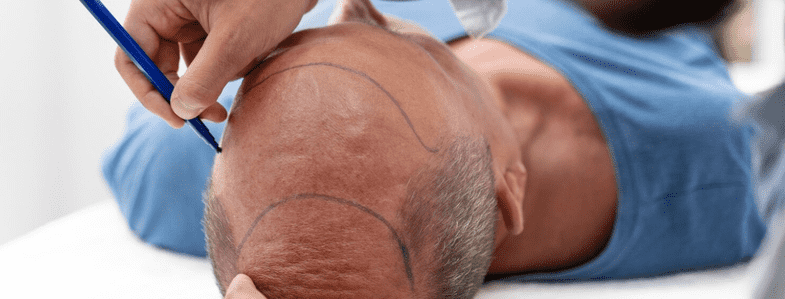
All the processes start with a consultation. The dermatologist looks at the scalp, the density of hair and how it is balding so that he can determine the most appropriate method. The stage will also assist in finding the number of grafts (single hair units) required. This is a significant step to have realistic expectations and make sure that the patient is a good candidate to perform surgery.
Step 2: Preparation and Anesthesia
Scalp is also cleansed on the day of the procedure and both the donor and recipient sites are numbized using local anesthesia. This guarantees this is painless and thus comfortable. In some clinics the hair can be made short so as to find the extraction and implantation process less cumbersome.
Step 3: Removing the Follicles of Hair
Follicles are then removed meticulously off the donor area depending on the method used (FUE or FUT). In FUE, small circular sections are incised around a single follicle whereas FUT involves a small piece of tissue which is excised and analyzed under a microscope. This aims at keeping the follicles in their natural arrangement of 1-4 hairs and maintain the natural appearance of follicles after transplantation.
Step 4: Graft Preparation, graft implantation
Then the extracted follicles are kept in a special solution to keep them healthy. Then, the surgeon forms micro incisions at the area of recipient, according to the natural course and direction of hair growth of the patient.
Step 5: post-procedure care and recovery
Mild redness or swelling can be experienced in the post-surgery period and this usually disappears in a few days. Patients are provided with information on the way of washing and treating their scalp. Majority of the individuals are able to resume to work within one week.
Conclusion
In case you are thinking about hair restoration, you had better consult a skilled dermatologist who will advise you depending on your circumstances. Soul Derma is a reliable dermatology practice with highly qualified advice and scientifically proven methods of hair restoration to ensure that you get a natural look that will last you a lifetime.

Basement W-58, Greater Kailash I, New Delhi, Delhi 110048 India