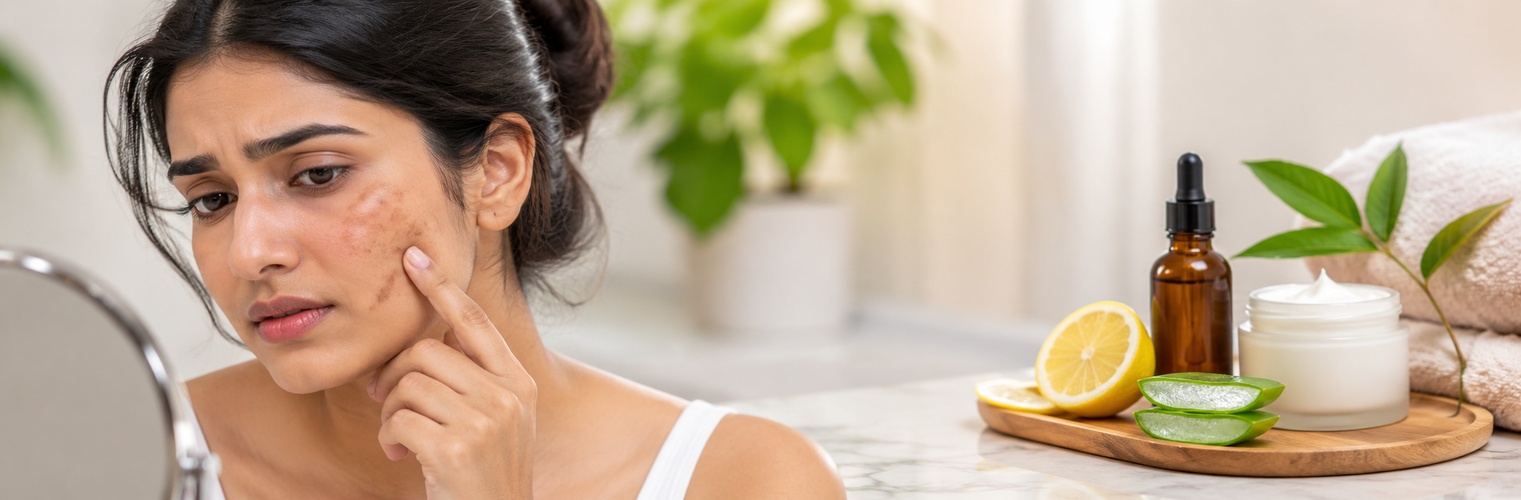
Dark spots on the skin can develop gradually or appear after acne, sun exposure, hormonal changes, or skin irritation. Although they are usually harmless, uneven skin tone and pigmentation can affect how people feel about their appearance. Understanding the causes of dark spots on the skin is the first step towards choosing an appropriate treatment. Some spots fade with consistent skincare, while others may require professional assessment and dermatological procedures. Using random creams or home remedies without identifying the underlying cause can sometimes worsen pigmentation. At Soul Derma, individuals can explore suitable skincare guidance and treatment options based on their skin concerns. This guide explains the common reasons for dark spots, available treatment approaches, and practical ways to prevent new pigmentation from developing.
What Are Dark Spots on the Skin?
Dark spots are areas where the skin appears darker than the surrounding skin because of increased melanin production or its uneven distribution. This condition is commonly associated with hyperpigmentation.
Spots may appear on the face, forehead, cheeks, neck, hands, or other sun-exposed areas. Their colour can range from light brown to dark brown, depending on the cause and individual skin tone.
Common types include:
What Are the Main Causes of Dark Spots on the Skin?
Identifying the underlying trigger helps determine which treatment is likely to work.
1. Sun Exposure
Ultraviolet (UV) radiation stimulates melanin production, which helps protect the skin. Repeated exposure can contribute to sunspots and uneven pigmentation, especially on the face and hands.
2. Acne and Skin Inflammation
Pimples, insect bites, cuts, and inflammatory skin conditions can leave dark marks after healing. These marks are particularly common in people whose skin produces more pigment in response to inflammation.
3. Hormonal Changes
Melasma can develop during pregnancy or alongside hormonal medication use. Sunlight and visible light may also aggravate it, making consistent sun protection important.
4. Ageing and Certain Medications
Pigmented spots may become more noticeable with age and cumulative sun exposure. Some medicines can also contribute to pigmentation or increase sensitivity to sunlight. Consult a healthcare professional if you suspect a medication is responsible.
How to Treat Dark Spots Effectively
Treatment depends on the type, depth, and cause of pigmentation. A dermatologist can assess the affected area and recommend a suitable approach.
Skincare Ingredients
Some topical ingredients may help improve uneven skin tone when used appropriately:
Introduce active ingredients gradually. Retinoids are generally avoided during pregnancy, and professional advice is recommended when choosing treatments during pregnancy or breastfeeding.
Professional Dermatological Treatments
Persistent pigmentation may benefit from professionally selected procedures. Depending on the diagnosis, options can include chemical peels, selected laser treatments, or other dermatologist-supervised therapies.
These procedures are not suitable for everyone. Certain treatments can worsen pigmentation, particularly when performed too aggressively or without considering skin tone. A proper assessment helps minimise unnecessary risks.
Daily Habits That Help Prevent Dark Spots
Prevention is an essential part of pigmentation management. Even successful treatments may produce limited results if the skin continues to experience irritation or excessive sun exposure.
Follow these habits consistently:
Not every dark spot is simple pigmentation. Arrange a dermatological assessment if a spot changes in size, shape, or colour, develops irregular borders, bleeds, or becomes persistently itchy. A new or unusual lesion should not automatically be treated with bleaching creams or cosmetic procedures.
If pigmentation persists despite consistent skincare, a dermatologist can help distinguish melasma, post-acne marks, sunspots, and other conditions. Soul Derma can be approached for professional guidance on suitable skin assessment and treatment options.
Conclusion
Understanding the causes of dark spots on the skin makes it easier to choose safe and effective treatment. Sun exposure, acne, hormonal changes, inflammation, and ageing can all contribute to pigmentation, but each may require a different approach. Daily sunscreen, gentle skincare, and appropriate active ingredients can help improve many cases, while persistent pigmentation may require professional treatment. For personalised guidance, consult Soul Derma to explore skincare options suited to your concerns and skin type.
Take the first step towards healthier-looking skin. Seek professional advice from Soul Derma to understand your pigmentation concerns and develop a treatment plan based on your skin's needs.
Frequently Asked Questions
1. What causes dark spots on the face?
Dark spots may result from sun exposure, acne, hormonal changes, inflammation, or ageing. The exact cause depends on the appearance and location of the spots. A dermatologist can help identify the type of pigmentation and recommend suitable treatment.
2. Can dark spots disappear naturally?
Some dark marks, particularly those left after mild acne, gradually fade over time. However, sunspots and melasma may persist without appropriate management. Sun protection and consistent skincare can support improvement, although results vary between individuals.
3. Which skincare ingredients help reduce dark spots?
Vitamin C, niacinamide, azelaic acid, and certain retinoids may help improve uneven pigmentation. The most suitable ingredient depends on your skin type, the cause of the spots, and your tolerance. Introduce products gradually to reduce irritation.
4. Does sunscreen help prevent dark spots?
Yes. Broad-spectrum sunscreen helps protect against UV radiation that can trigger or worsen pigmentation. Daily application, reapplication during outdoor exposure, and additional sun protection measures can help prevent existing spots from becoming darker.
5. Are professional treatments effective for pigmentation?
Chemical peels and selected laser treatments may improve certain types of pigmentation. However, results depend on the diagnosis, skin tone, and treatment method. A dermatologist should assess your skin before recommending a procedure.

Basement W-58, Greater Kailash I, New Delhi, Delhi 110048 India